What is Bus Transportation and How Does It Benefit Your Commuting Experience
Bus transportation plays a pivotal role in shaping our commuting experience, offering an affordable and efficient alternative to personal vehicles in crowded urban environments. As noted by Dr. Samantha Greene, a leading expert in public transit systems, “Bus transportation not only reduces congestion and carbon footprints but also connects communities, fostering economic growth.” This insight highlights the multifaceted advantages of bus systems, making them essential for modern mobility.
In our increasingly urbanized world, where traffic jams and parking woes have become the norm, bus transportation emerges as a beacon of hope for commuters. Not only does it provide a cost-effective solution, but it also encourages social interaction and inclusivity among riders. As cities strive to create more sustainable transportation frameworks, the benefits of integrating bus services into daily life become even more pronounced.
Furthermore, with advances in technology and the expansion of bus networks, the experience of commuting by bus is constantly evolving. Enhanced services such as real-time tracking, digital payment options, and improved accessibility are redefining how individuals perceive public transit. As we explore the myriad ways bus transportation can enrich commuting experiences, it becomes clear that this mode of travel is not just a necessity but a viable solution for a more connected and sustainable future.
What is Bus Transportation: A Comprehensive Overview
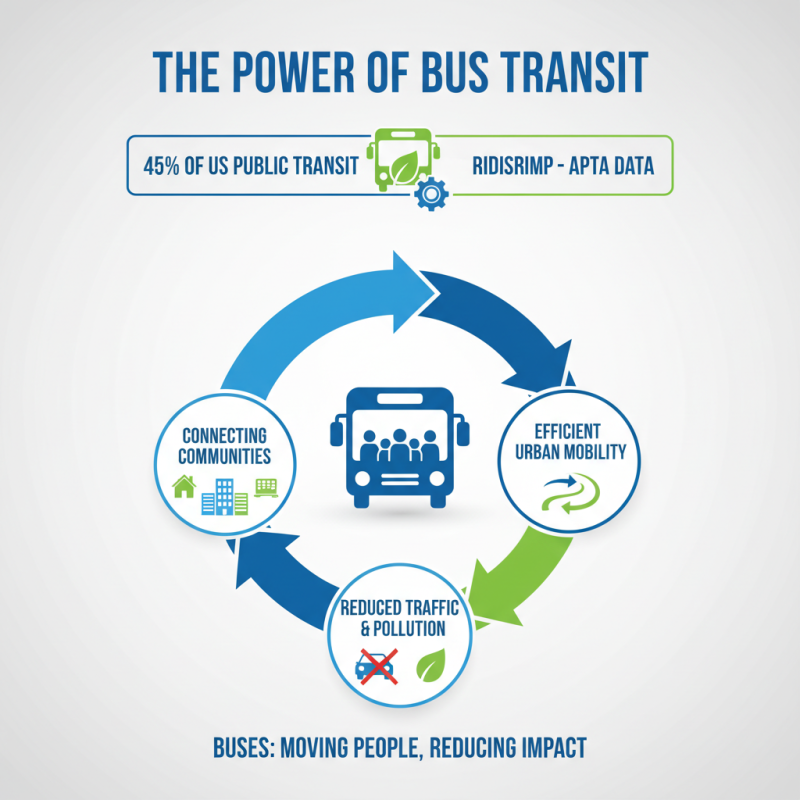
Bus transportation is a vital aspect of public transit systems worldwide, offering a comprehensive solution for urban mobility. According to the American Public Transportation Association (APTA), buses account for approximately 45% of all public transportation ridership in the United States, which underscores their significance in helping communities connect. The buses serve various routes, allowing passengers to travel efficiently between homes, workplaces, and educational institutions while contributing to reduced road congestion and pollution.
The benefits of bus transportation extend beyond mere convenience; they play a crucial role in enhancing the commuting experience. A report by the Federal Transit Administration (FTA) highlights that each bus takes about 40 passenger cars off the roads, significantly lessening traffic congestion and greenhouse gas emissions. Furthermore, the use of buses promotes social equity by providing affordable transportation options for individuals from diverse socioeconomic backgrounds. Public transit agencies often implement measures such as real-time tracking and improved route planning, which enhance reliability and make the commuting experience more user-friendly. As urban populations continue to grow, the importance of bus transportation remains pivotal for fostering sustainable cities and enhancing the quality of life for their residents.
The History of Bus Transportation and Its Evolution
The history of bus transportation dates back to the early 19th century, when horse-drawn carriages began to serve as public transport for urban residents. These early forms of bus services were essentially the forerunners of the modern bus, facilitating movement within cities. As the industrial revolution progressed, steam-powered buses emerged in the mid-1800s, followed by electric trolleys in the 20th century. The introduction of motorized buses in the 1920s marked a significant evolution, enabling greater passenger capacity and more efficient routes.
Over the decades, bus transportation has continuously adapted to the needs of cities and commuters. The post-World War II era saw a dramatic increase in bus services across urban areas, thanks to infrastructure developments and government initiatives aimed at promoting public transport. Today, buses are not only a staple of everyday commuting but also have embraced innovations such as GPS tracking and low-emission technologies, making them a more reliable and environmentally friendly choice for travelers.
Tips: When using bus transportation, always check the schedule in advance and plan for potential delays, especially during peak hours. Utilizing mobile apps can help track bus routes and real-time arrivals. Additionally, carrying exact change or a transit card can streamline the boarding process, enhancing your overall commuting experience.
Key Benefits of Using Buses for Daily Commuting
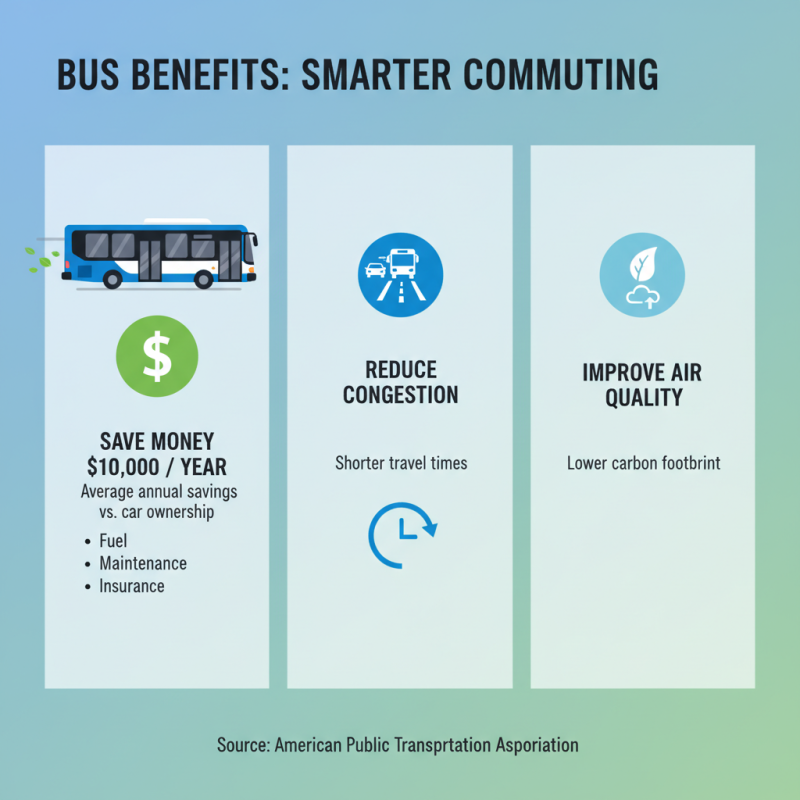
Bus transportation plays a pivotal role in enhancing the daily commuting experience for millions of people worldwide. According to the American Public Transportation Association, public transit, including buses, saves individuals on average $10,000 annually compared to owning a car. This significant cost saving is a key benefit for daily commuters, as it reduces not only direct expenses such as fuel, maintenance, and insurance but also alleviates financial pressure on households. Moreover, by opting for buses instead of personal vehicles, commuters contribute to reduced congestion on roadways, resulting in shorter travel times and improved air quality.
Another notable advantage of using buses for daily commuting is their ability to foster social connectivity and inclusivity. The Transportation Research Board reports that public transportation systems, particularly buses, serve diverse demographics and provide essential access to employment, education, and healthcare services for low-income communities. In urban areas, where approximately 45% of workers rely on public transport for their commutes, buses ensure that individuals have the mobility they need to participate fully in society. Ultimately, integrating bus transportation into daily routines not only enhances the commuting experience but also supports sustainable urban development and social equity.
Comparing Bus Transportation to Other Commute Options
Public bus transportation offers a variety of advantages over other commuting options, particularly when it comes to cost-effectiveness and environmental impact. According to the American Public Transportation Association (APTA), individuals can save an average of $10,000 annually by switching from driving to public transit. This is especially significant considering the rising costs of vehicle ownership, which include insurance, maintenance, and fuel. Buses can carry a large number of passengers simultaneously, effectively reducing the number of cars on the road, which further leads to decreased traffic congestion and lower greenhouse gas emissions.
In comparison to ride-sharing services and personal vehicles, bus transportation is often more reliable and can provide a structured schedule that helps commuters plan their journeys effectively. A study conducted by the Community Transportation Association found that bus systems are less susceptible to fluctuations in fuel prices, ensuring more consistent operational costs. Moreover, many cities are now investing in dedicated bus lanes, which help improve travel times compared to those of cars stuck in traffic. By choosing bus transportation, commuters not only make a more sustainable choice but also contribute to a more efficient urban transit system that benefits the entire community.
What is Bus Transportation and How Does It Benefit Your Commuting Experience - Comparing Bus Transportation to Other Commute Options
| Commute Option |
Average Cost per Trip |
Environmental Impact |
Convenience Level |
Average Travel Time |
| Bus Transportation |
$2.50 |
Low |
Moderate |
30-60 mins |
| Personal Vehicle |
$5.00 |
Medium |
High |
20-40 mins |
| Bicycle |
$0.00 |
Very Low |
Moderate |
15-30 mins |
| Taxi/Rideshare |
$10.00 |
Medium |
High |
10-30 mins |
| Walking |
$0.00 |
Very Low |
Very High |
5-20 mins |
The Future of Bus Transportation: Innovations and Trends
The future of bus transportation is poised for transformative innovations and trends that aim to enhance urban mobility and environmental sustainability. One of the most significant trends is the integration of smart technology into public bus systems. This includes real-time tracking apps that provide commuters with precise arrival times, allowing for better planning and reducing wait times. Additionally, the incorporation of advanced data analytics can optimize routes and schedules according to passenger demand, leading to a more efficient transit experience.
Electric and hybrid buses are also gaining traction, aligning with global efforts to reduce carbon footprints and combat climate change. These vehicles not only lower emissions but also operate more quietly, contributing to a more pleasant urban environment. Furthermore, the installation of electric charging infrastructure along bus routes will facilitate the widespread use of these eco-friendly vehicles. As cities invest in sustainable transportation solutions, the future of bus transit looks promising, with the potential to offer a cleaner and more reliable commuting experience for all.
Bus Transportation Benefits Over Time
This chart illustrates the various benefits of bus transportation, including time savings, cost savings, reduced environmental impact, and comfort levels experienced by commuters. Overall, bus transportation provides significant advantages that enhance the commuting experience.