

What Is an Inflatable Raft Boat and How Does It Work?
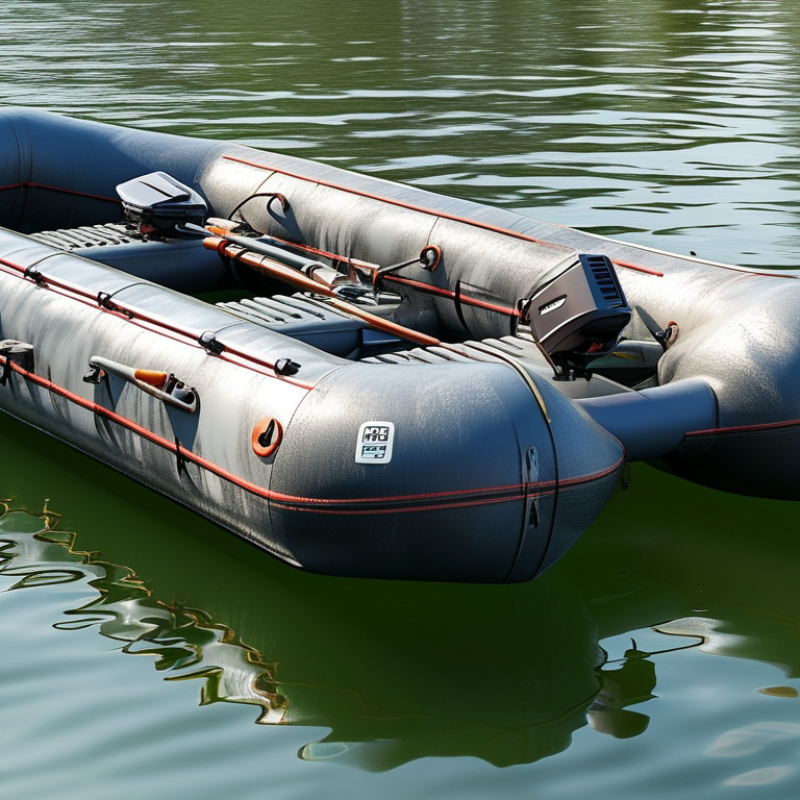
An Inflatable Raft Boat is a lightweight watercraft built around air-filled chambers. These chambers usually use reinforced PVC or coated fabric. They create buoyancy while keeping the boat portable and relatively easy to store. When deflated, many models fit inside a carry bag. When inflated, they form a stable platform for fishing, rescue training, recreation, or calm-water transport.
The working principle is straightforward. A hand pump pushes air through one-way valves into separate chambers. The sealed air supports the hull and helps the boat keep its shape. Many designs include an inflatable floor, rigid slats, or an air-deck system. These features improve comfort and standing stability. Oars move the boat through the water, while some models accept a small, approved motor. Performance depends on pressure, load, hull shape, and water conditions. Details matter.
Not every Inflatable Raft Boat behaves the same way. A compact recreational model may feel lively under shifting weight. A larger river design may track better but require more setup. Correct inflation is essential. Underinflation can reduce control, while excessive pressure may stress seams. Inspect valves, fabric, drain plugs, and attachment points before launching. Follow the manufacturer’s capacity ratings and wear suitable personal flotation equipment. Calm water is a sensible starting point. Still, the word “raft” can create false confidence. Wind, cold water, hidden damage, and changing weather can quickly exceed a beginner’s experience. This guide explains the construction, buoyancy, steering, and practical limitations of these boats, while acknowledging one uncomfortable truth: simple equipment still demands careful judgment.
Definition and Main Features of an Inflatable Raft Boat
An inflatable raft boat is a lightweight watercraft made from flexible, air-filled tubes and a floor. Unlike a rigid boat, it gains shape and buoyancy after its chambers are inflated. The tubes usually use reinforced fabric with an airtight coating. This construction helps the raft resist splashes, rubbing, and moderate pressure. It also allows convenient storage in a compact bag. Deflated, it is easy to carry. Inflated, it can support passengers, equipment, or both, depending on its rated capacity. A reliable raft normally has separate air chambers. If one chamber loses pressure, the others may keep the boat afloat. This improves safety, but it cannot replace inspection or careful operation.
Its main features include inflation valves, grab lines, handles, a drain system, and an internal floor. Some models use inflatable floors for comfort and lower weight. Others include slatted or rigid inserts for better stability underfoot. Oars or paddles move the boat by pushing water backward. The hull’s shape affects tracking, turning, and performance in waves. Wider tubes can improve stability, while a deeper floor creates more usable space. In practical use, pressure matters. Too little air can make the raft sluggish and unstable. Too much pressure may stress seams in hot weather. Small leaks are easy to overlook after transport. A pressure check, valve inspection, and load review should happen before every launch. The design is practical, but not flawless. Conditions can change quickly.

What Is an Inflatable Raft Boat?
An inflatable raft boat is a lightweight watercraft made from air-filled chambers, usually constructed from reinforced PVC or coated fabric. Air pressure gives the raft buoyancy, while separate chambers, an inflatable floor, grab lines, valves, and reinforced seams improve stability, safety, and portability.
The chart shows representative dimensions commonly found across compact, standard, large, and expedition-style inflatable rafts. Actual dimensions, passenger capacity, materials, and maximum load vary by design and safety certification.
Essential Materials and Structural Components
An inflatable raft boat is a lightweight craft that gains shape and buoyancy from air-filled chambers. Its main materials usually include reinforced PVC or coated fabric. These layers resist abrasion, sunlight, moisture, and repeated folding. Some boats use a softer inner layer for flexibility and an outer layer for protection. The balance is important. Too much stiffness can make packing difficult.
The structure normally contains separate air chambers, an inflatable floor, a transom, and fabric tubes around the sides. Internal partitions divide the chambers, so one damaged section should not remove all buoyancy immediately. Valves control inflation and deflation. A pressure gauge helps prevent underinflation and excessive pressure. I have found that a firm tube improves stability, but it should still yield slightly under hand pressure.
The floor may use drop-stitch fabric, slats, or a flexible air chamber. Drop-stitch construction connects the upper and lower surfaces with thousands of internal threads. It creates a flatter, stronger platform when inflated. The transom supports a compatible motor, while lifting handles and grab lines improve control during launching. Seams are commonly heat-welded or bonded, and each method requires careful quality checks. Yet no material is flawless. Small cuts, loose seams, or a leaking valve can develop gradually, especially after rough storage. Inspecting pressure, seams, and fittings before every outing remains a practical habit.
What Is an Inflatable Raft Boat and How Does It Work? - Essential Materials and Structural Components
| Category | Component or Material | Typical Construction or Specification | Function in the Boat |
|---|---|---|---|
| Primary Material | PVC-coated fabric | Woven polyester or nylon fabric laminated or coated with polyvinyl chloride | Provides a flexible, waterproof, abrasion-resistant outer surface |
| Primary Material | Hypalon-type or CSM-coated fabric | Synthetic rubber-coated textile used in demanding marine environments | Improves resistance to ultraviolet exposure, chemicals, heat, and weathering |
| Buoyancy Structure | Inflatable side tubes | Large cylindrical air chambers positioned along both sides of the hull | Creates buoyancy and helps keep the boat stable on the water |
| Buoyancy Structure | Separate air chambers | Individual compartments separated by internal partitions and valves | Provides redundancy so one damaged chamber does not necessarily cause total loss of buoyancy |
| Air Management | Inflation valves | One-way or multi-purpose valves compatible with a hand, foot, or electric pump | Allows air to enter the chambers while limiting unintended air loss |
| Air Management | Pressure-relief valve | Optional valve designed to release air when internal pressure becomes excessive | Helps reduce the risk of overinflation caused by heat or excessive pumping |
| Hull Structure | Inflatable floor | Air-filled floor made from reinforced coated fabric | Adds stiffness, distributes passenger weight, and improves comfort |
| Hull Structure | Slatted or rigid floor system | Removable panels made from aluminum, composite, or marine-grade wood | Creates a firmer standing surface and supports heavier equipment or an outboard motor |
| Hull Structure | Keel or inflatable keel | Central longitudinal element running beneath the floor | Improves directional stability and helps the hull track more efficiently |
| Reinforcement | High-wear patches | Additional layers of coated fabric placed on the bottom, bow, seams, and attachment points | Protects vulnerable areas from dragging, impact, abrasion, and punctures |
| Reinforcement | Seams and bonded joints | Heat-welded or adhesive-bonded joints, depending on the fabric system | Connects fabric panels and forms airtight chambers |
| Propulsion | Oars and oarlocks | Removable paddles or oars secured to fittings on the side tubes | Transfers rowing force to the water for manual movement |
| Propulsion | Transom | Reinforced rigid panel mounted at the stern of motor-capable models | Supports a suitable outboard motor and transfers thrust to the hull |
| Safety | Grab lines and handles | Rope perimeter lines and reinforced carrying handles | Assists boarding, carrying, emergency support, and passenger retention |
| Operating Principle | Pressurized air chambers | Chambers are inflated to the pressure specified by the manufacturer | Internal air pressure gives the flexible structure its shape, stiffness, and buoyancy |
| Operating Principle | Displacement hull behavior | The hull floats by displacing a volume of water equal in weight to the boat and its load | Explains how the raft remains afloat and supports passengers or equipment |
| Maintenance | Inspection and repair kit | Often includes compatible patches, adhesive, a valve tool, and an inflation adapter | Enables minor puncture, seam, or valve repairs and supports regular maintenance |
How Inflation Creates Buoyancy and Stability
What Is an Inflatable Raft Boat and How Does It Work?
An inflatable raft boat gains buoyancy from enclosed air chambers. Inflation gives the hull its shape and increases the volume displacing water. At sea level, one cubic metre of displaced freshwater supports about 1,000 kilograms. Real capacity is lower because passengers, equipment, movement, and freeboard require safety margins. Wide side tubes improve stability by spreading buoyancy outward. A firm floor also reduces flexing under the occupants’ weight. Pressure matters, but more pressure does not always mean better performance.
The U.S. Coast Guard’s 2023 Recreational Boating Statistics recorded 3,844 reportable accidents, 556 deaths, and 2,641 injuries. That data highlights a practical concern: flotation cannot replace careful loading and inspection. Separate air chambers can preserve partial buoyancy after one chamber loses pressure. Temperature changes can also affect internal pressure, especially between cool mornings and hot sunlight. The boat may feel softer later. That is easy to miss. An uncomfortable lesson is that visual judgment often overestimates stability. A raft can look full while carrying too much weight or sitting too low in the water.
How Steering and Propulsion Systems Work
An inflatable raft boat uses air-filled chambers to create buoyancy and stability. Its steering and propulsion systems determine how safely it moves across the water. Most small rafts rely on oars, while larger models may use a compact outboard motor mounted on a reinforced transom.
With oars, propulsion comes from pulling the blades through the water. Steering is achieved by changing the stroke on either side. Pull harder on the left, and the raft turns right. Motor-powered rafts use thrust from a propeller. The operator controls direction by turning the motor itself. This design works well, but steering can feel slow when the raft moves at low speed. Inflatable tubes also create drag, especially when they are underinflated. That detail is easy to overlook.
A practical inspection should check air pressure, valve seals, oar locks, and transom fittings. Correct pressure keeps the floor firm and helps the raft track straighter. Loose fittings may cause unwanted movement. Never treat a quiet motor as proof of safety; weeds, shallow water, or a damaged propeller can reduce thrust quickly. The boat should respond smoothly without sudden pulling.
Tips: Practice turning in open, calm water before carrying passengers. Use short, controlled strokes near docks. Keep weight balanced from side to side. If the raft turns poorly, check pressure and load placement before blaming the steering system. Small adjustments often matter.
Common Uses, Benefits, and Safety Considerations
An inflatable raft boat uses air-filled chambers to create buoyancy and stability. A hand pump fills separate tubes around the floor and sides. These chambers support passengers, gear, and the boat’s weight on water. Many models include an inflatable floor, drain openings, grab lines, and oar fittings. The design stays light when deflated, but it needs firm, even pressure before launch.
People use inflatable rafts for calm-lake fishing, family outings, short river trips, and emergency transport. They are easier to carry than rigid boats. Their soft sides also reduce damage when touching a dock. Some rafts handle light rowing, while others accept a small motor within their rated limits. Check the capacity label carefully. Extra equipment can change the boat’s balance.
Safety depends on preparation, not appearance. Inspect valves, seams, floor panels, and pressure before every trip. A slow leak may not be obvious on shore. Wear a properly fitted life jacket, even in shallow water. Carry a repair kit, pump, whistle, and drinking water. Avoid strong currents, sharp rocks, and sudden weather changes. Keep weight low and centered. It is tempting to overload the raft for one more bag. That decision can reduce stability quickly. Secure loose items, follow local water rules, and tell someone your route. A small raft can be capable, but it is not invincible.