
China Top 10 Electric Trail Bike Manufacturers?
China has become a serious manufacturing base for off-road electric mobility. Its advantages include mature battery supply chains, dense component networks, and large-scale vehicle production. The International Energy Agency’s Global EV Outlook 2024 reports that China remains the world’s largest market for electric two- and three-wheelers. This wider ecosystem supports rapid development in the Electric Trail Bike segment.
The opportunity is real. So are the differences.
Unlike commuter e-bikes, trail bikes require stronger frames, controlled suspension, reliable braking, and motors that can manage loose soil and steep gradients. The China Bicycle Association’s industry reports also show the importance of China’s extensive electric bicycle manufacturing capacity, although they do not separate trail-bike output clearly. That limitation matters. Many published market figures combine bicycles, scooters, mopeds, and off-road models, making direct comparisons imperfect.
This guide examines ten Chinese manufacturers associated with Electric Trail Bike design, production, or supply-chain capability. The selection considers product engineering, battery integration, motor performance, factory experience, export activity, certification practices, and after-sales support. These criteria reflect practical buyer concerns, not only impressive catalogue claims. A bike may look powerful beside a warehouse wall, yet perform poorly on wet stone or a long climb.
Information is drawn from company materials, public product specifications, industry research, and established reports such as the IEA Global EV Outlook. Independent verification remains essential. Specifications can change between production batches. Some brands also share factories or use third-party components. Therefore, this list should guide supplier evaluation, not replace technical testing, compliance checks, or sample inspections. Real performance tells the fuller story.
What Are Electric Trail Bikes and Why China Leads Their Production
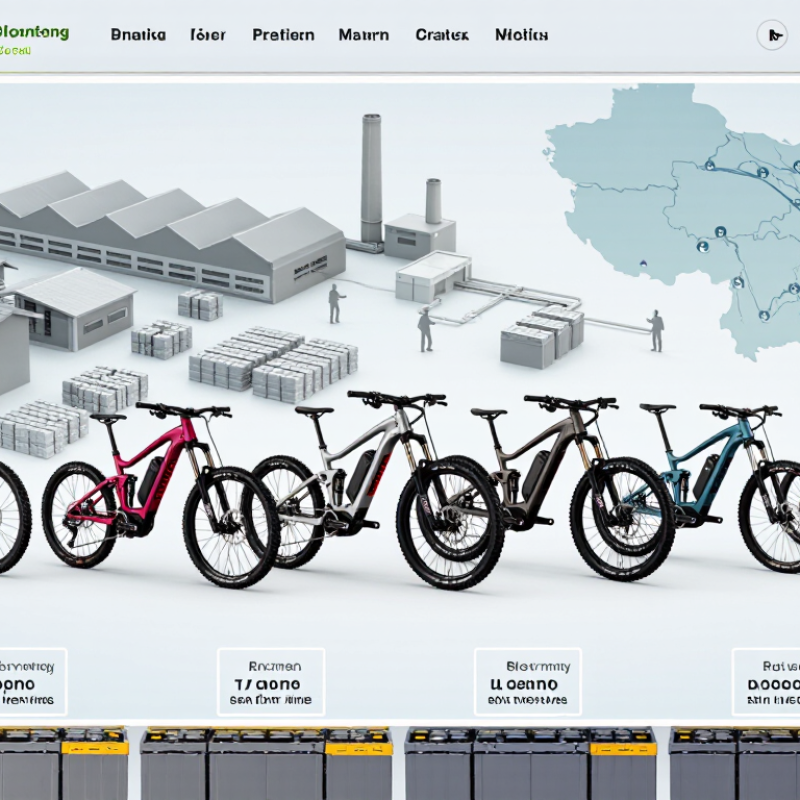
Electric trail bikes are pedal-assisted mountain bicycles built for dirt paths, forest climbs, and uneven ground. Their frames usually support wider tires, stronger suspension, hydraulic brakes, and centrally positioned motors. Unlike basic city e-bikes, trail models must manage loose stones, sudden drops, mud, and repeated impacts. The rider still pedals, but the motor reduces fatigue on steep sections.
China leads much of this production through a dense supply chain. The China Bicycle Association reported approximately 42.28 million electric bicycles produced in 2023, showing the country’s exceptional manufacturing scale. That volume supports specialized components, including battery cells, motor systems, controllers, aluminum frames, and suspension parts. Industry reports from Grand View Research also identify Asia-Pacific as the largest regional electric-bike market, supported by strong manufacturing capacity and expanding domestic demand.
However, production volume does not guarantee trail quality. Some models remain heavy, and real-world range can fall sharply on steep, wet routes. That matters. Battery ratings often use controlled conditions, not rocky climbs with frequent acceleration. A careful buyer should inspect motor torque, battery certification, frame testing, brake performance, and replacement-part access. China’s advantage is practical: fast prototyping, large-scale sourcing, and experienced assembly networks. Still, independent testing and transparent specifications remain necessary, because marketing language can outrun engineering evidence.
China Top 10 Electric Trail Bike Manufacturers? — What Are Electric Trail Bikes and Why China Leads Their Production
Electric trail bikes are off-road two-wheelers powered by rechargeable batteries and designed for uneven terrain, recreational riding, and light trail use. China’s large electric two-wheeler manufacturing base supports the production of components and platforms used across this category.
Chart note: The figures represent China’s reported annual electric bicycle output, measured in millions of units. Electric trail bikes are a specialized subset of the broader electric bicycle and electric two-wheeler industry, so public statistics generally do not separate trail-bike production.
Source: China Bicycle Association and publicly reported Chinese electric-bicycle industry statistics.
How to Evaluate China’s Top Electric Trail Bike Manufacturers
Evaluating China’s top electric trail bike manufacturers requires more than comparing online prices. Inspect the factory’s welding lines, battery assembly, and quality-control records. Ask for frame material, motor output, controller limits, and tested climbing data. A reliable manufacturer should provide clear test conditions, not vague performance claims. Request a production sample and examine cable routing, brake feel, suspension seals, and fastener alignment. Small details often reveal larger discipline.
Battery safety deserves careful attention. Check cell traceability, thermal protection, charger compliance, and transport documentation. Confirm whether the battery has passed recognized safety testing in your target market. Review the warranty in writing, including coverage for the motor, controller, display, and frame. Parts availability matters after the first season. Ask how quickly replacement brake pads, belts, or sensors can ship. Factory photos can mislead. Independent inspections are stronger evidence.
Tips: Compare at least three suppliers using the same checklist. Test the bike on loose gravel, wet roots, and steep turns. Record range with a rider’s actual weight. Do not trust maximum speed alone. Evaluate noise, heat, and control at low speed. Also, leave room for doubt; a polished sample may not represent every production batch. Reliable communication, documented revisions, and honest answers usually matter more than impressive advertisements.
China’s Top 10 Electric Trail Bike Manufacturers and Their Strengths
China’s top ten electric trail bike manufacturers compete through different strengths, not identical product formulas. One focuses on lightweight aluminum frames, while another uses reinforced carbon-steel structures for rocky routes. Several manufacturers offer mid-drive systems, hydraulic disc brakes, and removable batteries suited to steep forest tracks. Their strongest advantage is flexible production. Small geometry changes can be tested quickly.
Industry data supports this momentum. Grand View Research estimates the global electric bike market could grow at a 9.8% compound annual rate from 2023 to 2030. The China Bicycle Association also reports sustained domestic demand for electric bicycles, although trail-bike figures remain less transparent. That limitation matters. Many published reports combine commuter, cargo, mountain, and trail categories.
Among the leading ten, some manufacturers stand out for battery integration and thermal management. Others provide suspension tuning, waterproof connectors, or export-ready quality systems. A few are stronger in contract manufacturing than in original engineering.
The best factories usually document motor testing, frame fatigue checks, and battery protection procedures. Buyers should request these records rather than trust attractive specifications. Range claims can change sharply with rider weight, tire pressure, temperature, and climbing grade.
Real trails are unforgiving. Factory rankings also deserve review, because production volume does not always equal trail durability. Some manufacturers still need better after-sales support, clearer testing data, and more consistent component sourcing.
How Chinese Electric Trail Bike Brands Compare by Key Features
Comparing the top ten Chinese electric trail bike manufacturers requires more than checking motor wattage. Real trail performance depends on torque delivery, battery capacity, suspension travel, and frame geometry. A responsive mid-drive system climbs loose slopes better than a powerful hub motor. However, peak output can hide poor heat control. That matters during long summer rides.
Battery & Range Battery size affects range, but terrain changes the result. Riders should examine tested range, charging time, cell quality, and battery protection. Removable packs are useful in apartments and workshops. Full-suspension designs improve comfort on rocky paths, while adjustable air forks allow better setup. Hydraulic disc brakes, wide tires, and sealed connectors are also important. Small details matter.
Manufacturers differ sharply in quality control and after-sales support. Check weld consistency, cable routing, software updates, spare-part availability, and warranty response times. Independent testing is more reliable than showroom claims. Some frames look impressive but feel heavy on tight bends. I have found that a modest motor with predictable control can be easier to manage than an aggressive system. This point is often overlooked. Buyers should also verify regional safety certification and local service coverage before choosing among the ten manufacturers.
How to Choose the Right Chinese Electric Trail Bike Manufacturer
When comparing China’s top ten electric trail bike manufacturers, begin with the factory, not the advertised price. Ask for a verifiable business license, production address, and recent factory inspection records. A video tour helps, but an independent visit gives stronger evidence. Ask for samples. Ride it hard.
Check the motor, battery cells, controller, frame, suspension, and braking system separately. Request test data for range, climbing performance, charging cycles, and water resistance. Do not accept vague terms such as “high quality.” Ask which standards the bike meets in your target market. Certification documents should match the exact model, not a similar product. A reliable manufacturer explains limitations clearly.
After-sales support often separates a supplier from a long-term partner. Confirm spare-part availability, warranty procedures, response times, and technician training. Request drawings, wiring diagrams, and a complete parts list before signing any agreement. Communication matters when specifications change. A small misunderstanding about battery voltage can become an expensive problem.
A perfect spreadsheet cannot measure every riding feel. My judgment would remain cautious after one sample. Test several units, inspect welds, listen for motor noise, and check cable routing after rough rides. Ask for customer references with similar terrain and weather. Payment terms, quality inspections, packaging, and shipping responsibilities should be written plainly. If a manufacturer avoids direct answers, that hesitation is useful evidence.
China Top 10 Electric Trail Bike Manufacturers? - How to Choose the Right Chinese Electric Trail Bike Manufacturer
| No. | Evaluation Dimension | Recommended Benchmark | Evidence to Request | Why It Matters |
|---|---|---|---|---|
| 1 | Battery Safety and Certification | Lithium-ion battery packs should use appropriate cell protection, a battery management system, and documented testing such as IEC 62133-2 where applicable. | Battery test reports, cell specification sheets, BMS protection parameters, and traceable production records. | Reduces the risks of overheating, overcharging, short circuits, and premature battery failure. |
| 2 | Transport and Export Compliance | Battery shipments should meet applicable UN 38.3 transport-testing requirements and destination-market import rules. | UN 38.3 test summary, safety data sheet, dangerous-goods documentation, and packaging specifications. | Helps prevent customs delays, carrier rejection, and unsafe transportation practices. |
| 3 | Motor Performance and Legal Configuration | The rated power, speed assistance, torque, and throttle configuration should match the laws of the target market. For EU EPAC use, the common limit is 250 W rated continuous power and assistance up to 25 km/h. | Motor rating label, controller settings, dyno or road-test data, and market-specific conformity documents. | Ensures the trail bike is both suitable for its intended terrain and legal for sale or use. |
| 4 | Frame Strength and Geometry | The frame should be designed for the intended rider weight, suspension travel, wheel size, and off-road load conditions, with fatigue testing appropriate to the product category. | Frame material specification, load rating, fatigue-test information, welding inspection procedure, and geometry drawings. | Affects handling, durability, rider safety, and resistance to cracking during repeated trail impacts. |
| 5 | Suspension, Brakes, and Trail Control | Hydraulic disc brakes, suitable rotor sizing, adjustable suspension, and tires with an appropriate tread pattern should be selected according to rider mass and terrain. | Component specifications, braking-distance test results, suspension adjustment range, and spare-parts availability. | Improves braking control, cornering stability, comfort, and performance on uneven surfaces. |
| 6 | Water and Dust Protection | Electrical enclosures should have a clearly stated IP rating tested under IEC 60529 or an equivalent recognized method; the rating should match expected rain, mud, and washing conditions. | IP test report, connector sealing design, cable-routing drawings, and cleaning instructions. | Helps protect the battery, controller, display, and motor from moisture and contamination. |
| 7 | Quality-Control System | A reliable supplier should operate documented incoming inspection, in-process control, final testing, and defect-correction procedures. | Quality manual, inspection checklists, sample final-test records, calibration certificates, and corrective-action reports. | Provides consistency between production batches and lowers warranty and safety risks. |
| 8 | Customization and Engineering Capability | The manufacturer should be able to support frame geometry, battery capacity, controller settings, suspension specifications, packaging, and documentation changes without compromising compliance. | Engineering drawings, prototype process, sample approval procedure, change-control records, and testing plan. | Makes it easier to create a product suited to a specific market, terrain, and customer group. |
| 9 | After-Sales Service and Parts Support | The supplier should provide a written warranty policy, diagnostic support, repair instructions, and long-term access to high-wear parts such as brake pads, chains, tires, chargers, and batteries. | Warranty terms, parts list, service-level commitments, troubleshooting guides, and replacement-part lead times. | Shortens downtime and protects the total cost of ownership after the sale. |
| 10 | Total Cost, Capacity, and Delivery Reliability | Compare the complete landed cost, usable battery energy in watt-hours, packaging, tooling, minimum order quantity, production capacity, and realistic lead time rather than unit price alone. | Formal quotation, battery watt-hour calculation, packaging dimensions, production schedule, payment terms, and inspection agreement. | Supports accurate budgeting, range estimation, inventory planning, and dependable market delivery. |
Note: Certification, power limits, labeling, and import requirements vary by destination market. Verify the applicable rules before placing a production order.